Nom vernaculaire
Carrierea calycina
Famille
Salicaceae
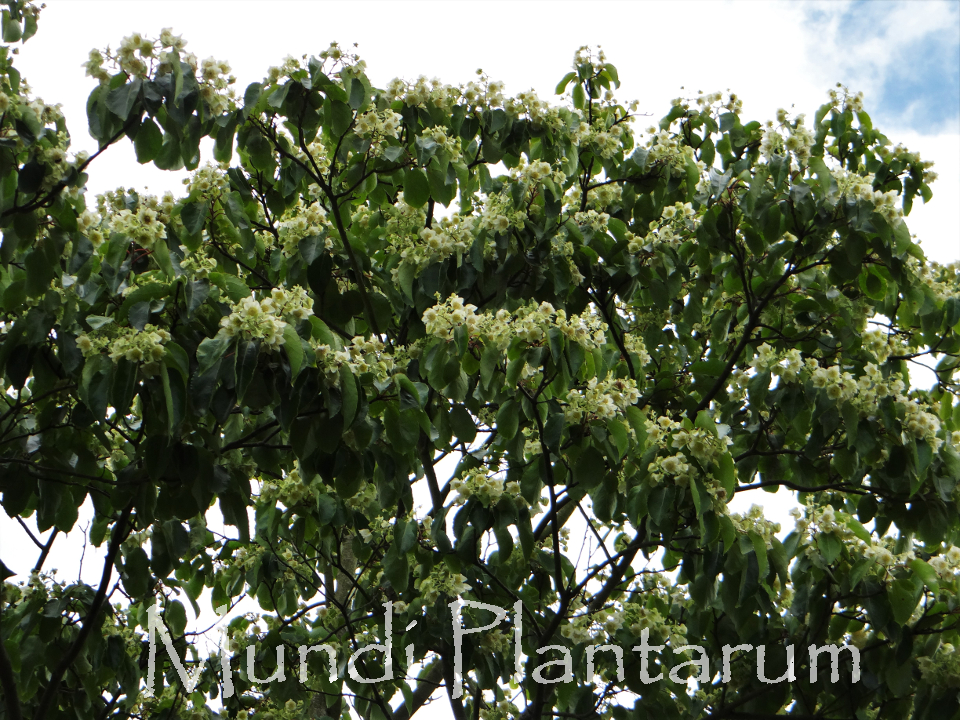
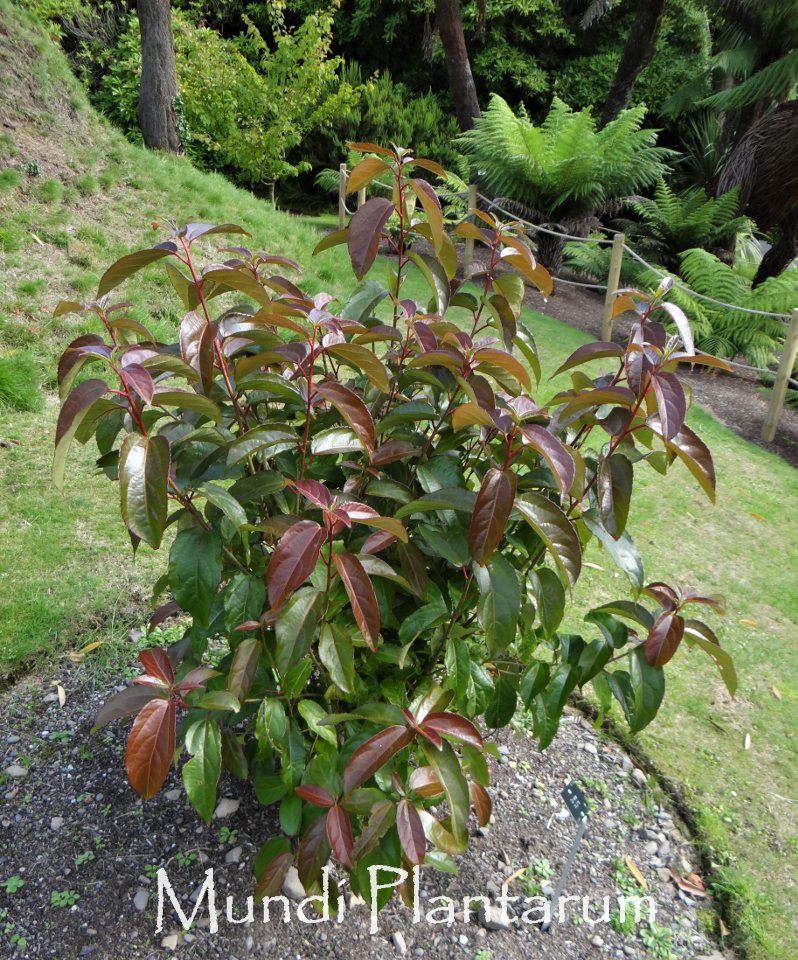
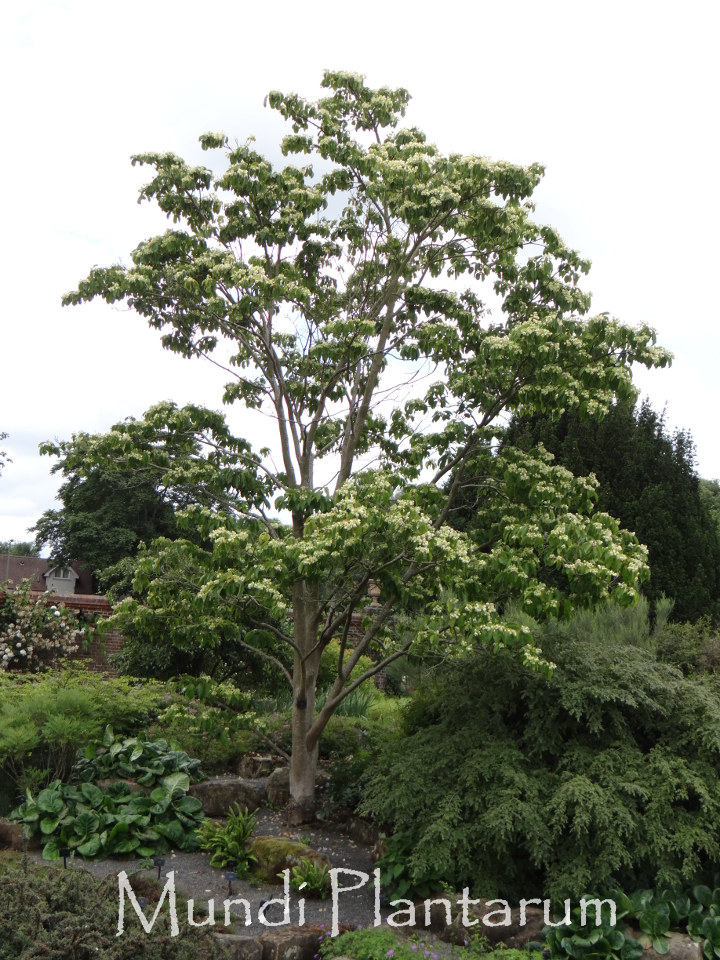
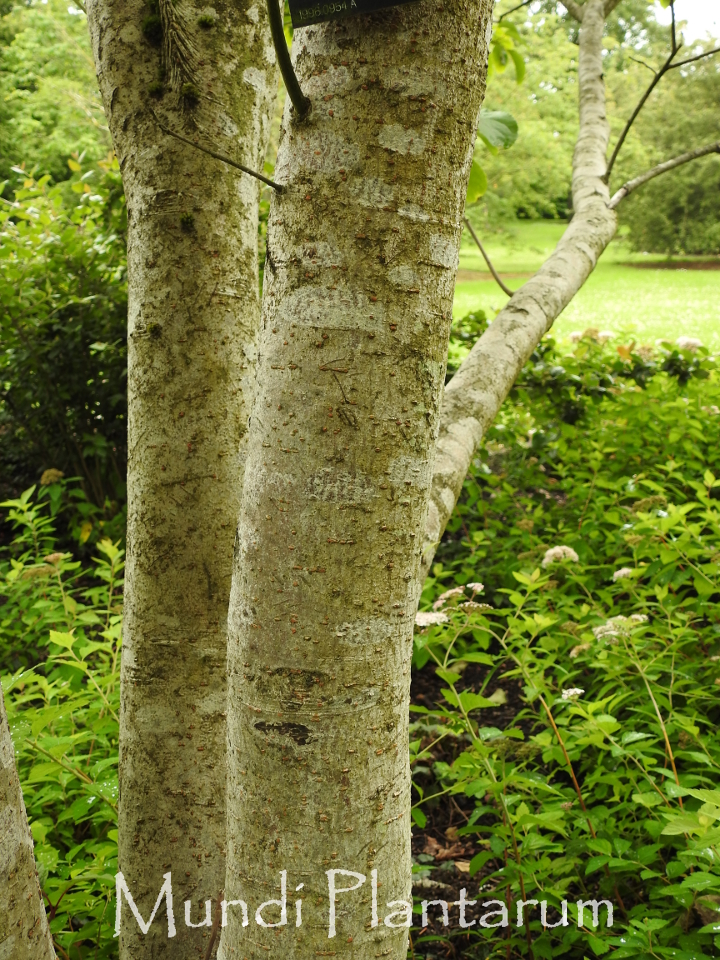
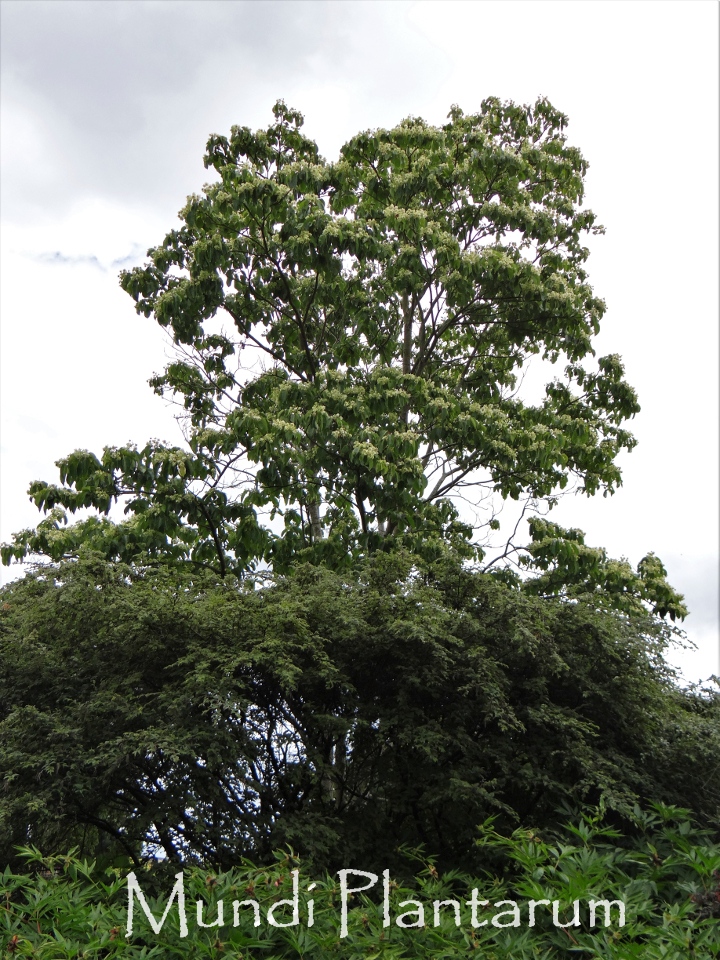
A very rare small tree with superb white flowers. It rarely exceeds 3 to 5 meters in height.
Classification

Trees and shrubs
Climat
Zone 8: from -12°C to -7°C
Couleur de feuille
Couleur de fleur
Exposition

Sheltered winds

Sunny

Part shade
Hauteur minimum
500cm
Hauteur max
1000cm
Encombrement min
100cm
Encombrement max
200cm
Intérêts remarquables

Flower
Période

In summer
Type de sol

Acidic

Neutral
Utilisation au jardin

Parterre
General description
- Origin
- China, subtropical Asia (southern China: Guangxi, Guizhou, Hubei, Hunan, Sichuan, Yunnan). Forests, at altitudes between 1300 and 1600 m. It was introduced to Europe in 1908 by E. Wilson.
- Climate
- Withstands -10°C.
- Exposure
- Sunny to partial shade.
- Soil
- Humus-rich and moist. Well-drained.
- Growth
- Slow.
- Propagation
- Sowing.
General physiology
- Dimensions
- Can reach 5 to 6 m in Europe and 12 to 16 m in its native country. At Hillier, it measures approximately 10 m tall..
- Habit
- The tree has a broadly spreading shape and crown.
- Trunk
- Often multi-trunked.
- Bark
- Grey-brown, smooth.
- Note
- Rare plant.
Leaves
- Shape
- Oblong-oval or oblong (length: between 9 and 14 cm, width: between 4 and 6 cm), somewhat leathery, with a rounded base, serrated margins, an acute apex, and a tomentose petiole (length: between 3 and 7 cm). Leaves alternate and simple. Petiole red in color.
- Colour
- has bright green leaves in summer and spring; they emerge green tinged with red.
- Note
- Extinct. May persist in its country of origin.
Flowers
- Flowering time
- June-July. Earlier in his country of origin (May).
- Shape
- The flowers are composed of 5 large sepals. They resemble lanterns, are unisexual (dioecious), with oval sepals (length: between 15 and 18 mm), grouped in terminal, few-flowered, tomentose panicles
- Colour
- White.
- Note
- Lightly fragrant. Flowering and seed production may be sporadic. Very slow to flower; patience is required, taking approximately 7 to 8 years.
Fruits
- Shape
- Fusiform capsules, dehiscing by 3 valves. (length: between 30 and 50 mm).