Nom vernaculaire
Queñoa, Tabaquillo
Famille
Rosaceae
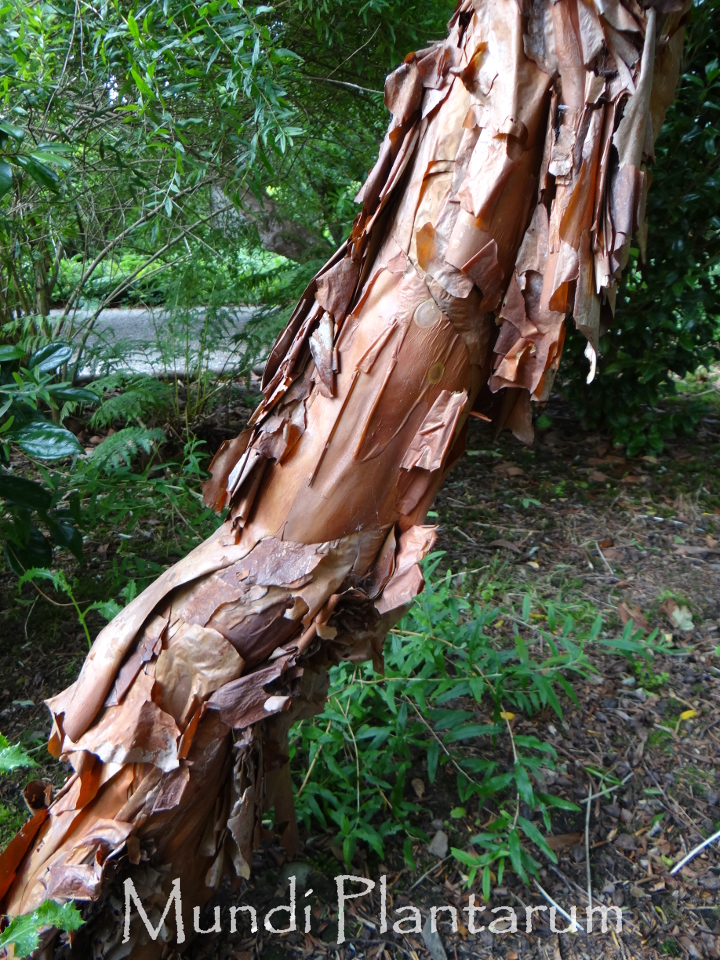
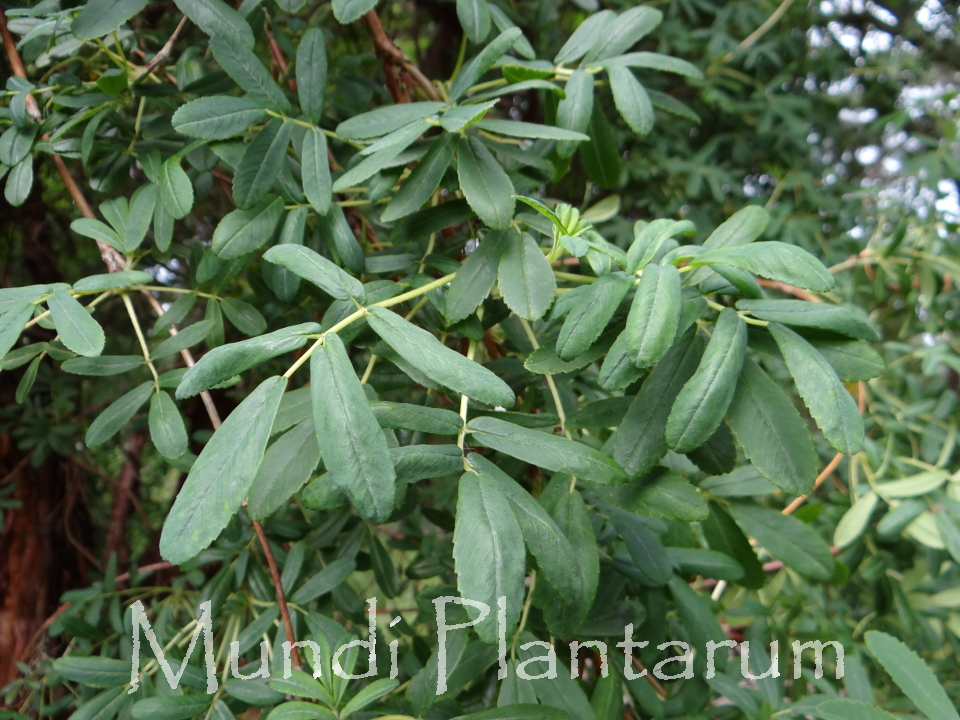
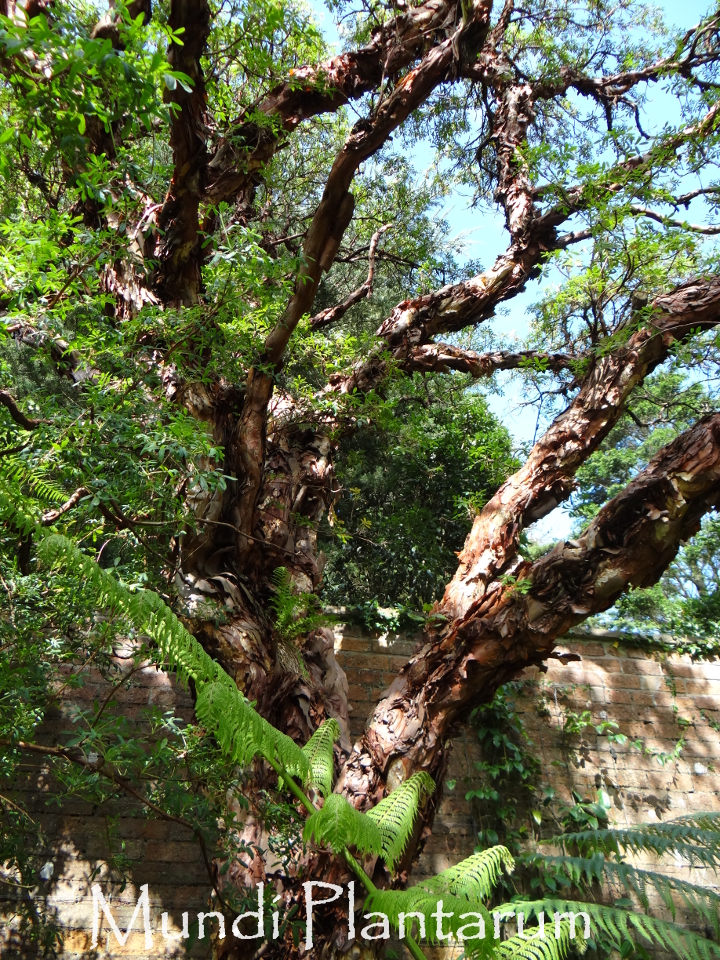
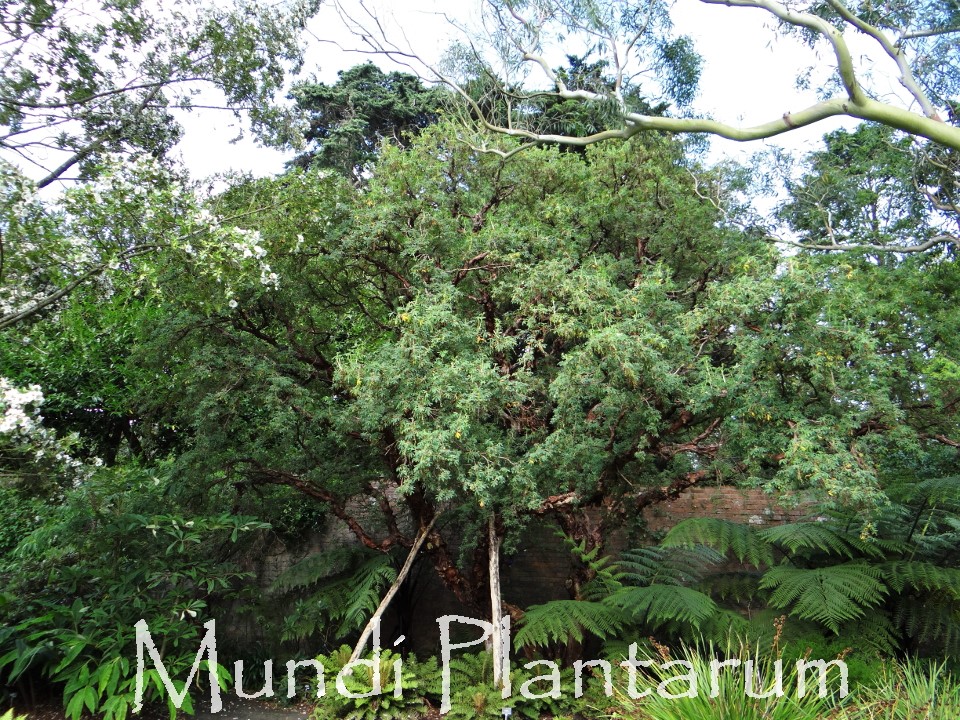
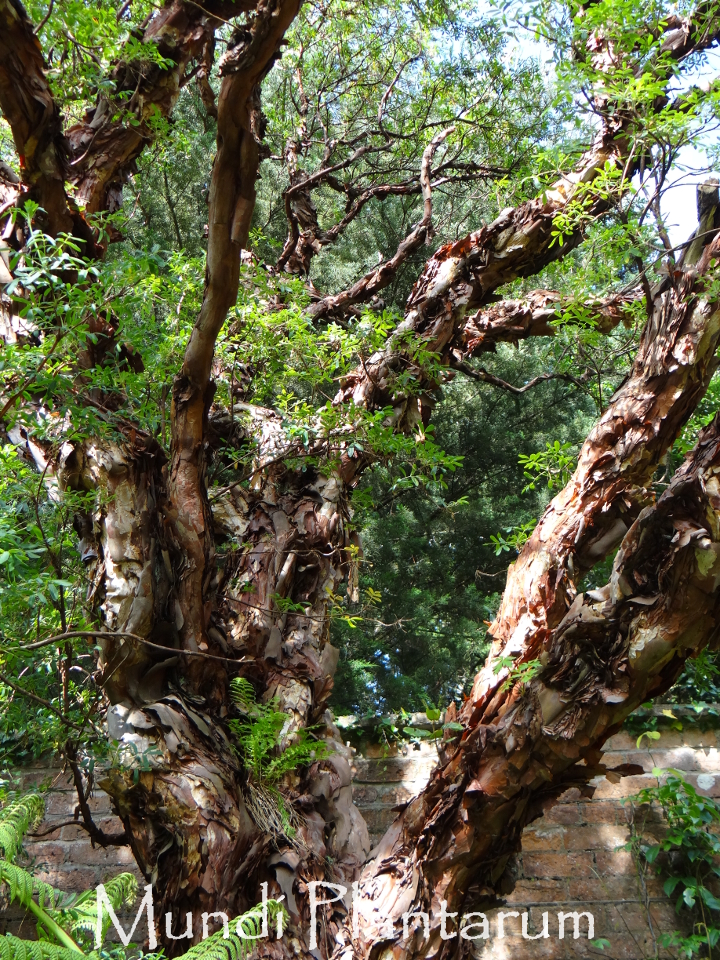
Original coppery-red bark that exfoliates with age. Considered one of the most beautiful ornamental barks.
Classification

Trees and shrubs
Climat
Zone 8: from -12°C to -7°C
Couleur de feuille
Exposition

Sunny
Hauteur minimum
500cm
Hauteur max
1000cm
Encombrement min
200cm
Encombrement max
500cm
Intérêts remarquables

Bark
General description
- Origin
- Endemic to central Argentina. (Catamarca, Córdoba, Jujuy, Salta, Tucumán.) It was first introduced to the Copenhagen Botanical Garden in 1949, from seeds collected at 2,600 m altitude in Tucumán by J.P. Hjerting.
- Climate
- Withstands -10°C.
- Exposure
- Sunny.
- Soil
- Well-drained
- Growth
- Slow.
- Propagation
- Sowing is probably the simplest propagation method.
PRINING
General physiology
- Dimensions
- Can reach 2m to 10m in height.
- Trunk
- A tree that usually has several trunks.
- Bark
- Reddish brown, peeling off in layers.
- Branches
- Twisted branches.
Leaves
- Shape
- Composed of 5 to 7 leaflets.
- Colour
- Green.
- Note
- Semi-evergreen foliage.
Flowers
- Flowering time
- Flowering from June to July and from October to April (Argentina)
- Colour
- Verdâtres
- Note
- Fleurs hermaphrodites. Fleur insignifiantes.
Fruits
- Shape
- Turbinate achene.